
Hate at Home
Islamophobia, antisemitism, and the harm Christians cause

In mid-October, outside Chicago, a six-year-old boy ran to his beloved landlord for a hug. Instead he was met with a knife, and died after being stabbed two dozen times. The boy, Wadea al-Fayoume, was Palestinian-American, and his landlord attacked him because of his identity.
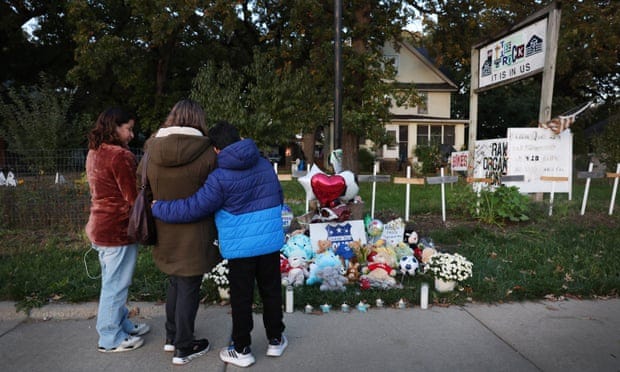
The murder of Wadea is one of the worst cases in the surge of bigotry and violence against Muslims and Jews in the United States in the wake of Hamas’s October 7 attack and Israel’s bombardment of Gaza. As I write in an essay in the December issue of the Catholic publication, Commonweal, Islamophobia and antisemitism have increased rapidly in recent weeks here and around the world. As we see new cases reported day after day, it is important to remember that
the problem is not simply or primarily one of Jewish Islamophobia or Muslim antisemitism (though cases of both do exist). …Instead, it is often Christians who are perpetrating acts of hate and violence against Jews and Muslims. That was the case with the murder of Wadea—Joseph Czuba is a Catholic.
Given the reality that bigoted violence is often committed by Catholics and other Christians, it is especially crucial that we do all we can to root out bigotry in our communities.
Especially in North America and Europe, Islamophobia and antisemitism have long been intertwined; both are the result of Christian hostility toward religious “others.”
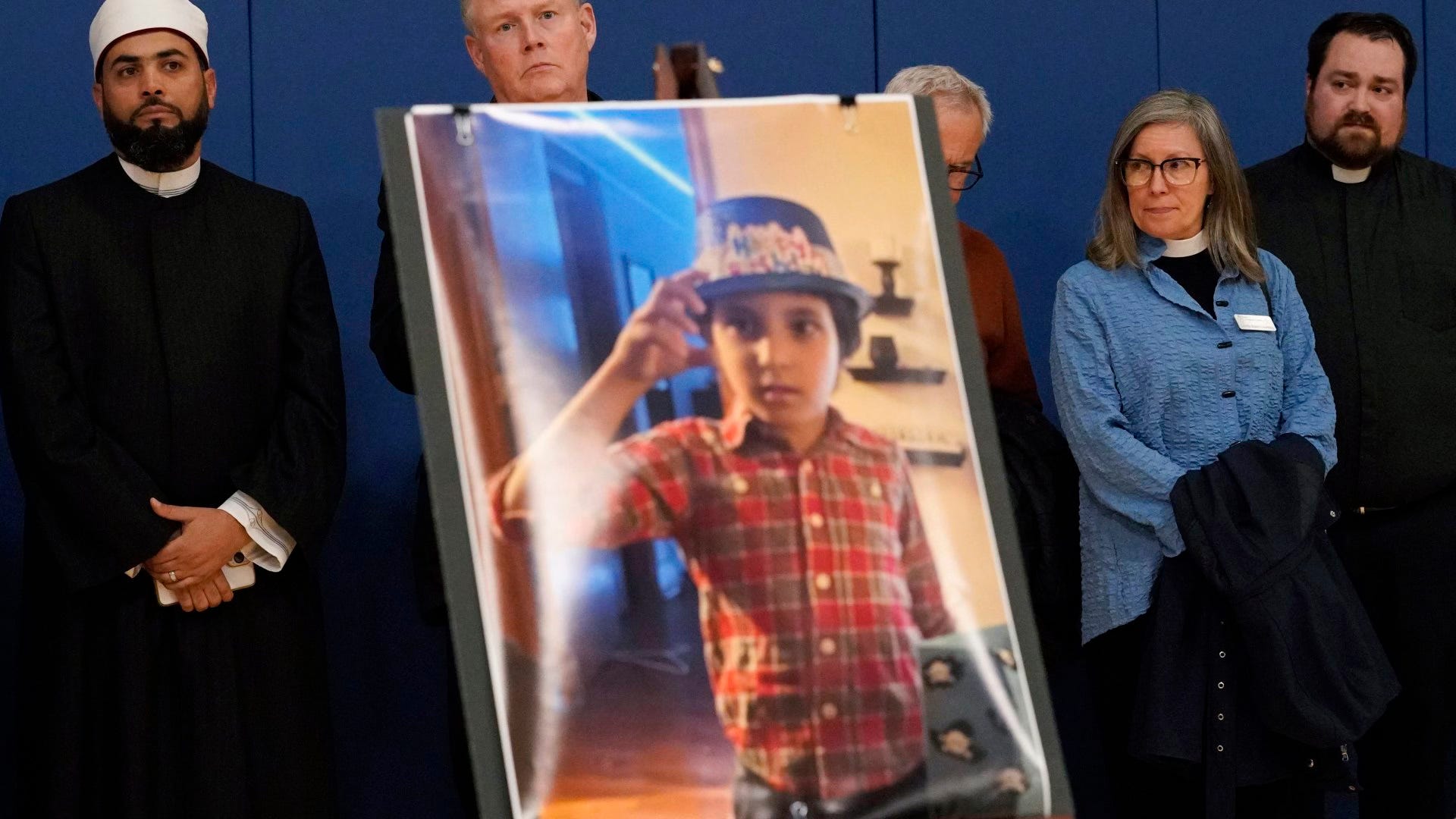
Since I wrote the piece, there have been more incidents of hateful violence, including the shooting of three Palestinian college students in Vermont. The young men were walking in a neighborhood, wearing black and white kaffiyehs and speaking a mix of Arabic and English, when a local man, Jason Eaton, 48, stepped off his porch and opened fire on them. All three men survived, but two of them had very serious injuries. The attack is being prosecuted as a hate crime. Eaton’s mother, who expressed shock at her son’s alleged actions, described him as a “very religious person” who finds inspiration in various religious figures and reads the Bible often. As people of faith, we have to do more to ensure our holy books and religions are not being weaponized by those who claim to share our faith.
In the Commonweal piece, I also talk about the problem with inconsistently applying the term "terrorism.” If Hamas’ actions against civilians can rightly be classified as terrorism, then so can Israel’s merciless bombing that has killed around 15,000, forced displacement of over a million people, and deprivation of basic needs like food, water, shelter, and medicine. Pope Francis also implied this point recently, and received considerable backlash for it.
In the essay, I also discuss the importance of consistency and nuance when identifying bigotry:
the label of antisemitism is sometimes wrongly ascribed to criticism of Israel’s policies of dominance over Palestinians. While there have been cases in which political opposition has veered into antisemitism, this does not make criticism of Israel inherently anti-Jewish.
I hope you’ll read the full piece, and share it with others.
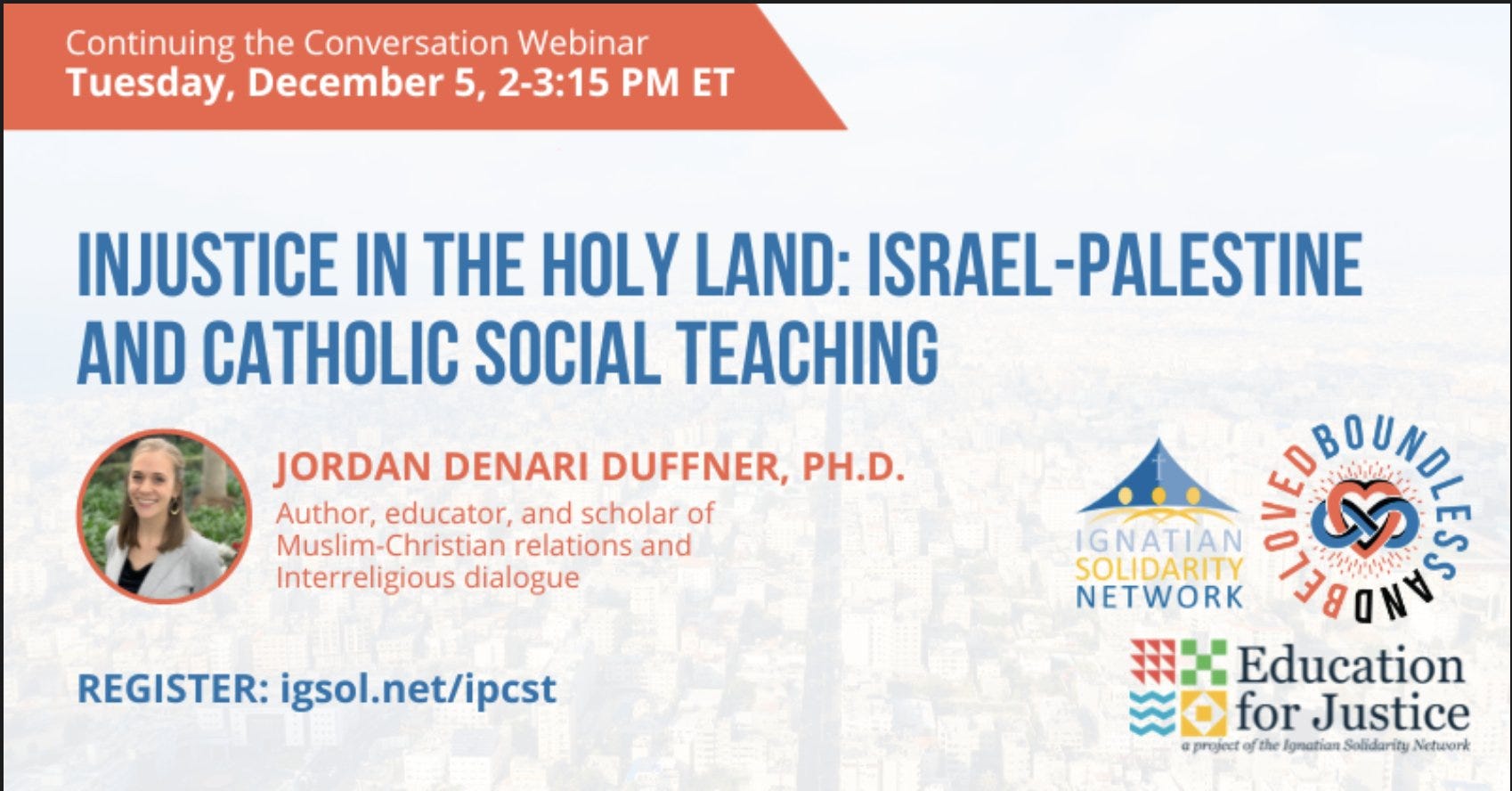
In this time of suffering at home and in the Holy Land, what can Catholics and other people of conscience do? On Tuesday, December 5th, I’ll be giving a webinar on Israel-Palestine and Catholic social teaching for the Ignatian Solidarity Network. You can watch live at 2pm Eastern, or watch the recording after the fact. To get the link, register here.